 Reviews


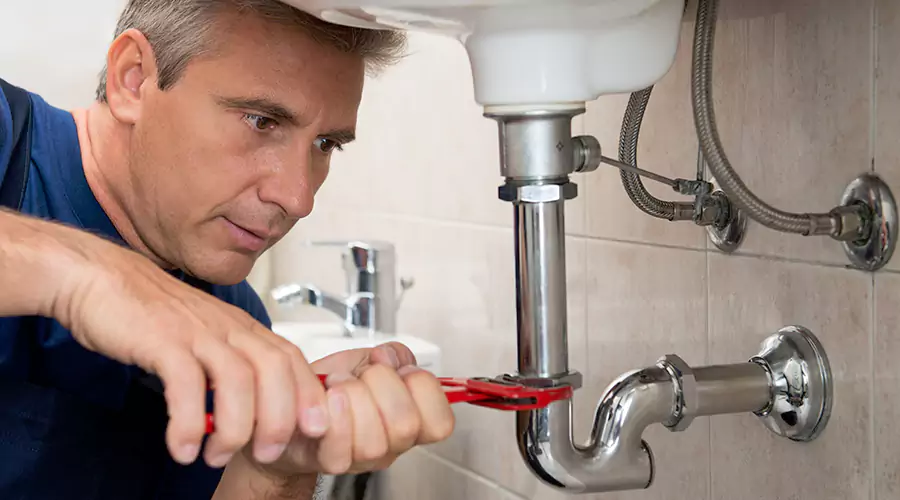
Banging pipes are a common plumbing problem in homes across the United States, and ignoring them long enough can lead to loose connections, damaged pipe fittings, and eventually leaks. Getting to the cause of the noise early protects your pipes and saves you from a much more expensive repair down the road.
What Are Banging Pipes?
The technical term for banging pipes is water hammer. It happens when water flowing through a pipe at high speed suddenly stops or changes direction. The momentum of the moving water has nowhere to go, so it slams into the closed valve or fitting with significant force.
That force travels through the pipe and into the wall, creating the loud banging or thudding sound you hear after shutting off a faucet, a washing machine valve, or a dishwasher.
Water hammer is not just a noise problem. Repeated pressure shocks weaken pipe joints, loosen fittings, and stress connections over time. Left unaddressed, it contributes to pinhole leaks and pipe failures that are expensive to repair.
Common Causes of Banging Pipes
Water Hammer From High Water Pressure
High water pressure is the leading cause of banging pipes in American homes. When water moves through pipes at excessive speed and volume, the impact of a sudden stop produces a powerful pressure wave that shakes the entire supply line, making proper plumbing maintenance essential.
Most homes operate safely at between 40 and 60 PSI. Properties receiving water at 80 PSI or higher experience water hammer far more frequently and with greater intensity than homes at normal pressure levels.
Testing your home water pressure with an inexpensive gauge from the hardware store confirms whether high pressure is contributing to the banging. A reading above 80 PSI means your pressure is too high and needs to be reduced.
Loose Pipes Inside the Walls
Pipes that are not properly secured to the wall framing move freely when water flows through them. Every time water starts or stops, an unsecured pipe shifts, vibrates, and knocks against the surrounding wall structure.
This type of banging tends to produce a rhythmic rattling or knocking rather than a single sharp thud. It often gets louder over time as the pipe gradually works itself further away from its original position.
Older homes where pipe straps and brackets have corroded or loosened over decades are especially prone to this problem.
Air Chambers That Have Filled With Water
Many older homes were built with vertical air chambers installed behind walls near fixtures. These chambers work by providing a cushion of air that absorbs the pressure wave created when water stops suddenly.
Over time, water gradually displaces the air inside these chambers and fills them completely. Once the air cushion is gone, the chambers no longer absorb pressure, and water hammer returns even in homes where it was previously under control.
Recharging a waterlogged air chamber restores its ability to cushion pressure waves and eliminates the banging in many older homes.
Fast-Closing Valves in Modern Appliances
Washing machines, dishwashers, and ice makers use solenoid valves that close almost instantaneously when a cycle ends. Unlike a human turning a faucet handle slowly, these electric valves snap shut in a fraction of a second.
That sudden closure sends a powerful pressure wave back through the supply line every time the appliance finishes filling. Homes with multiple modern appliances often experience water hammer regularly as each machine cycles through its fill and stop sequences throughout the day.
Thermal Expansion in Hot Water Pipes
Hot water pipes expand as water temperature rises and contract as it cools. In a closed plumbing system without adequate space for this movement, expanding pipes push against wall framing, floor joists, and pipe hangers.
The ticking, creaking, or occasional banging that follows shortly after hot water runs through the system often comes from thermal expansion rather than water hammer. Both problems can occur in the same home and produce similar sounds, which makes identifying the correct cause important before attempting a fix.
How to Fix Banging Pipes?
Install a Water Hammer Arrestor
A water hammer arrestor is the most effective and permanent solution for pipes that bang when valves close quickly. This small device contains a sealed air chamber and a piston that absorbs the pressure wave before it travels through the supply line.
Installing a water hammer arrestor directly at the fixture or appliance causing the banging captures the pressure surge at the source. Washing machines and dishwashers benefit especially from arrestors installed on both the hot and cold supply connections.
Most hardware stores carry water hammer arrestors for between $10 and $30 per unit. Installation is straightforward for most homeowners and requires only basic tools.
Reduce Your Home Water Pressure
Bringing high water pressure down to a safe operating range reduces the intensity of water hammer significantly and protects every fixture and appliance in the home at the same time.
Locating the pressure reducing valve on your main supply line and adjusting it to deliver water at between 50 and 60 PSI removes the root cause of pressure-driven banging. Turning the adjustment screw clockwise increases pressure while counterclockwise reduces it.
Homes without a pressure reducing valve benefit from having one installed by a licensed plumber. A properly set PRV protects the entire plumbing system and extends the life of water-using appliances considerably.
Secure Loose Pipes With Straps and Brackets
Tracking down unsecured pipes and fastening them properly to wall framing eliminates rattling and knocking caused by pipe movement. Foam-padded pipe straps cushion the pipe against the wall surface and prevent the kind of vibration that produces noise without restricting natural movement.
Pipes in accessible locations like basements, crawl spaces, and utility rooms are straightforward to strap down without professional help. Pipes inside finished walls require a plumber to access and secure properly without causing unnecessary damage to the surrounding structure.
Recharge Waterlogged Air Chambers
Restoring the air cushion inside a waterlogged air chamber is a simple process that most homeowners can handle in about 30 minutes.
Turning off the main water supply and opening every faucet in the home from the highest floor down to the lowest drains all remaining water from the supply lines. Closing the faucets and turning the main supply back on refills the pipes while leaving a fresh pocket of air trapped inside each air chamber.
Testing faucets and appliances after completing this process confirms whether the recharging worked. If water hammer returns quickly, the air chambers themselves may be damaged or undersized and benefit from replacement with modern water hammer arrestors.
Install Expansion Tanks for Thermal Expansion
Homes with a closed plumbing system and a tankless or standard water heater sometimes experience banging from thermal expansion rather than water hammer. An expansion tank installed on the cold water supply line near the water heater provides a dedicated space for water to expand into as it heats up.
Expansion tanks are a code requirement in many jurisdictions for closed plumbing systems. A licensed plumber can confirm whether your system requires one and install it correctly during a standard service visit.
Slow Down Appliance Valve Closure
Some washing machine models allow you to reduce the speed at which fill valves close by partially closing the supply valves behind the machine. Turning the hot and cold supply valves to about three quarters open slows the flow rate enough to reduce the intensity of water hammer when the machine stops filling.
Testing the machine through a full wash cycle after making this adjustment confirms whether the banging has reduced. Combining this approach with a water hammer arrestor on each supply connection provides the most complete solution for appliance-related pipe noise.
How to Tell Which Type of Pipe Noise You Have?
Not every loud pipe noise comes from water hammer or loose fittings. Identifying what you are actually hearing helps you target the right fix.
A single loud bang immediately after shutting off water points directly to water hammer caused by high pressure or a fast-closing valve.
A rhythmic knocking or rattling while water is running suggests unsecured pipes moving against wall framing as water flows through them.
A ticking or creaking sound shortly after hot water runs indicates thermal expansion in the hot water supply lines rather than water hammer.
A banging sound that occurs only when the washing machine or dishwasher stops filling means the appliance solenoid valve is closing too fast and a water hammer arrestor at that specific connection is the solution.
Listening carefully to when the noise occurs, how long it lasts, and which fixtures trigger it gives you the information needed to apply the correct fix confidently.
When to Call a Licensed Plumber?
Handling fixes like installing a water hammer arrestor, adjusting the pressure reducing valve, or recharging air chambers is well within reach for most homeowners. Calling a licensed plumber makes sense when:
- Banging pipes have been present for a long time and joint damage may have already occurred.
- The noise comes from inside finished walls where pipe access requires professional work.
- Water pressure cannot be adjusted because no pressure reducing valve is installed.
- Expansion tanks are required by local code and need professional installation.
- Pipe fittings or joints show signs of leaking after prolonged water hammer exposure.
A licensed plumber can inspect the entire supply system, identify every contributing cause of the banging, and apply a solution that protects your pipes for the long term.
Summary
Banging pipes are more than a nuisance. Every pressure shock that travels through your supply lines puts stress on joints, fittings, and connections that compounds over time.
Identifying whether the cause is water hammer, loose pipes, waterlogged air chambers, or thermal expansion points you toward the right fix immediately. Installing a water hammer arrestor at the source, reducing high water pressure, and securing unsecured pipes covers the most common causes effectively and inexpensively.